Why Nuclear
for Utah’s Energy Future
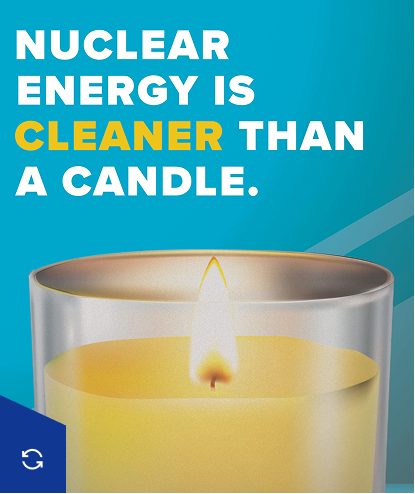
Nuclear reactors generate electricity without burning fuel, so they produce no smoke, soot, or air pollutants during operation. This is because nuclear reactors generate power through fission—the process of splitting atoms to make energy. The heat released during fission is used to make steam that spins a turbine to produce emissions-free electricity. Candles, on the other hand, rely on combustion, which can produce soot, ultrafine particles, and other air pollutants that can affect our indoor air quality and health.
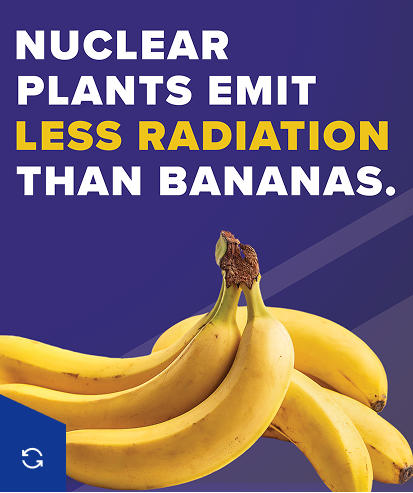
Nuclear power plants are heavily regulated and carefully engineered, so during normal operations, workers and the public are exposed to almost no radiation. If you live within 50 miles of a nuclear plant, you only receive about 0.01 millirems of radiation; eating multiple bananas would expose you to more than 0.01 millirems. Why? Bananas contain potassium, and a small fraction of all potassium is naturally radioactive. So, eating a banana results in more radiation exposure than standing next to a nuclear power plant. The dose of radioactivity from eating bananas is minuscule and does not pose a health risk. Radiation is a normal part of everyday life; it comes from our soil, air, food, and even our own bodies.

NBA athletes are known for their consistent free throws, but they can’t match nuclear energy's reliability! The average NBA free-throw success rate is about 78%, while U.S. nuclear power plants produce power more than 92% of the time during the year–running around the clock, regardless of weather or season. This makes nuclear energy by far the most reliable energy source on the U.S. power grid today. The next most reliable source, geothermal, produces energy 65% of the time.
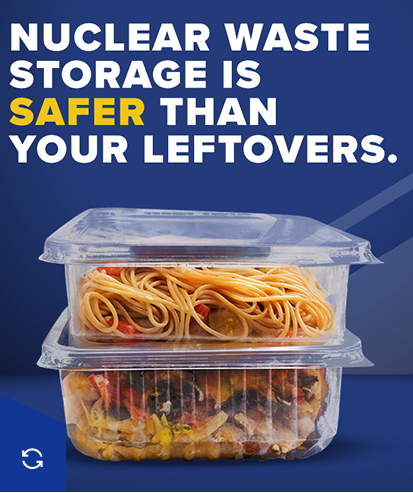
Nuclear waste is stored in specially designed casks made of thick steel and concrete for secure, long-term storage. Unlike leftover food, it doesn’t leak or spoil. Meanwhile, leftovers are usually shoved to the back of the fridge and given little more consideration than a sniff test before heating up or tossing. In the U.S., there are about 48 million instances of foodborne illnesses annually, with many linked to mishandled food, and none from storing or handling nuclear waste!

Nuclear power plants are held to some of the strictest safety standards in the world. In the U.S., nuclear plants have a strong safety record; they have been operating for more than 70 years, but have caused far fewer injuries and deaths over decades of operation than many everyday risks–like common household accidents from furniture. Nuclear power has one of the lowest rates of occupational injuries among any industrial sector. Meanwhile, everyday furniture like chairs send hundreds of thousands of people to emergency departments each year because of tip overs and structural failures.
Nuclear Energy Fact Sheets
To help Utahns better understand nuclear power and its role in the state's clean energy transition, the Utah Office of Energy Development (OED) has developed downloadable fact sheets (available in English and Spanish) covering key topics:
-
Fundamentals: Overview of nuclear energy, fuel, and reactor operations
-
Safety & Management: Insights on nuclear waste storage and advanced reactor designs
-
Community Focus: Key FAQs addressing concerns and considerations in rural Utah

Utah’s Energy Challenge
Utah has long enjoyed an abundance of energy. The coming decades will bring new energy challenges for the state, region and country, but Operation Gigawatt is a proactive plan to turn energy challenges into opportunities, securing an abundance of energy for decades to come.
Utah policymakers are working to maintain the state's quality of life, including our healthy and growing economies and natural spaces. With energy demands expected to grow, diversifying our energy mix will bring new and reliable resources online–investments that will benefit us for generations to come.
Why Nuclear
for Utah’s Energy Future
Nuclear reactors generate electricity without burning fuel, so they produce no smoke, soot, or air pollutants during operation. This is because nuclear reactors generate power through fission—the process of splitting atoms to make energy. The heat released during fission is used to make steam that spins a turbine to produce emissions-free electricity. Candles, on the other hand, rely on combustion, which can produce soot, ultrafine particles, and other air pollutants that can affect our indoor air quality and health.
Nuclear power plants are heavily regulated and carefully engineered, so during normal operations, workers and the public are exposed to almost no radiation. If you live within 50 miles of a nuclear plant, you only receive about 0.01 millirems of radiation; eating multiple bananas would expose you to more than 0.01 millirems. Why? Bananas contain potassium, and a small fraction of all potassium is naturally radioactive. So, eating a banana results in more radiation exposure than standing next to a nuclear power plant. The dose of radioactivity from eating bananas is minuscule and does not pose a health risk. Radiation is a normal part of everyday life; it comes from our soil, air, food, and even our own bodies.
NBA athletes are known for their consistent free throws, but they can’t match nuclear energy's reliability! The average NBA free-throw success rate is about 78%, while U.S. nuclear power plants produce power more than 92% of the time during the year–running around the clock, regardless of weather or season. This makes nuclear energy by far the most reliable energy source on the U.S. power grid today. The next most reliable source, geothermal, produces energy 65% of the time.
Nuclear waste is stored in specially designed casks made of thick steel and concrete for secure, long-term storage. Unlike leftover food, it doesn’t leak or spoil. Meanwhile, leftovers are usually shoved to the back of the fridge and given little more consideration than a sniff test before heating up or tossing. In the U.S., there are about 48 million instances of foodborne illnesses annually, with many linked to mishandled food, and none from storing or handling nuclear waste!
Nuclear power plants are held to some of the strictest safety standards in the world. In the U.S., nuclear plants have a strong safety record; they have been operating for more than 70 years, but have caused far fewer injuries and deaths over decades of operation than many everyday risks–like common household accidents from furniture. Nuclear power has one of the lowest rates of occupational injuries among any industrial sector. Meanwhile, everyday furniture like chairs send hundreds of thousands of people to emergency departments each year because of tip overs and structural failures.
Utah’s Energy Challenge
Utah has long enjoyed an abundance of energy. The coming decades will bring new energy challenges for the state, region and country, but Operation Gigawatt is a proactive plan to turn energy challenges into opportunities, securing an abundance of energy for decades to come.
Utah policymakers are working to maintain the state's quality of life, including our healthy and growing economies and natural spaces. With energy demands expected to grow, diversifying our energy mix will bring new and reliable resources online–investments that will benefit us for generations to come.

Nuclear Energy in the U.S.
94
reactors
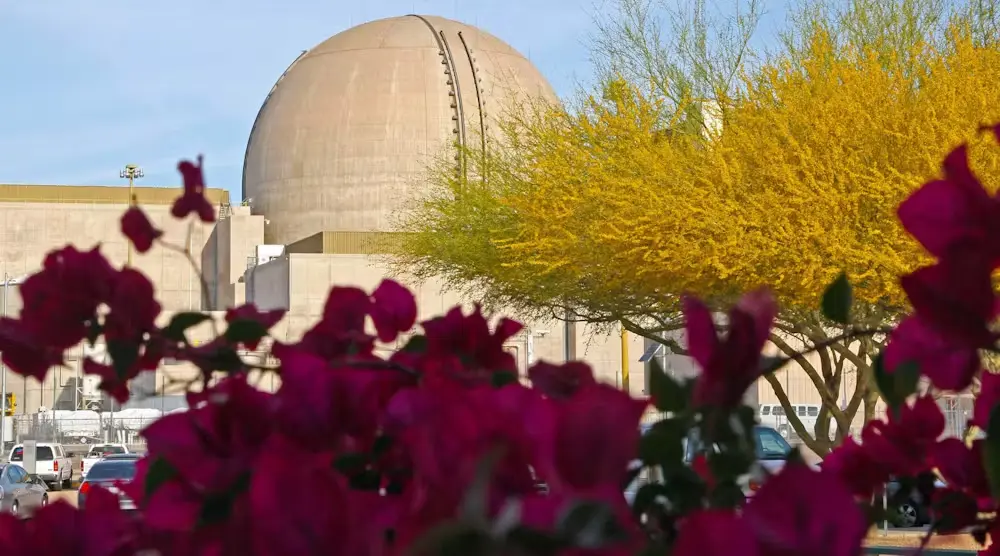
The United States maintains and operates the largest fleet of nuclear reactors in the world, with 94 commercial reactors at 54 power plants across the country.
28
states
Currently, there are 28 states that host commercial nuclear power plants.
20%
generation
These plants generate roughly 20% of the country’s electricity and nearly half of our clean energy.
70+
years
U.S. nuclear power plants are among the safest and most secure places in the world. They have been quietly powering our nation's grid for over 70 years.
Learn How Nuclear
Energy Works
Nuclear reactors function using fission—splitting uranium atoms to release heat that produces steam for electricity production. Learn more below about the mining and fuel preparation steps, how small modular reactors operate and how nuclear waste can be safely managed.
Benefits of Nuclear
Energy for Utah

You’d be surprised at the range of benefits nuclear provides—from dependable, 24/7 power and flexible, grid-balancing output to zero-carbon electricity with a compact footprint, stronger energy independence and well-paid, long-term local jobs. Here are just a few of the many benefits to explore:



Nuclear facilities protect our environment and air quality by generating electricity with ZERO emissions.
Existing nuclear power plants employ between 500 to 800 people directly—in high-paying, long-lasting jobs.
Uranium is so energy dense that a soda can’s worth of uranium can meet the lifetime energy needs of the average Utahn.
How is Utah supporting
nuclear energy?
As Utah's primary office for energy and mineral development, OED is charged with implementing the Governor's energy vision. The state of Utah has been exploring nuclear energy to determine if it is a fit for Utah. OED’s work includes:
- Implementing Governor Cox’s 10-year energy plan, Operation Gigawatt
- Working with the legislature to develop evidence-based energy policy
- Collaborating with local communities and other stakeholders
Throughout 2026, OED is conducting a statewide nuclear energy education and community outreach initiative, hosting community-engaged events in all 29 Utah counties to provide residents the opportunity to connect with subject matter experts, ask questions and explore nuclear energy topics in greater depth.
Operation Gigawatt is an initiative to double Utah’s power production over the next 10 years by advancing a cohesive any-of-the-above energy strategy that ensures our energy demand never outpaces our energy supply, protects the state’s natural resources and turns today’s energy challenges into long-term opportunities.
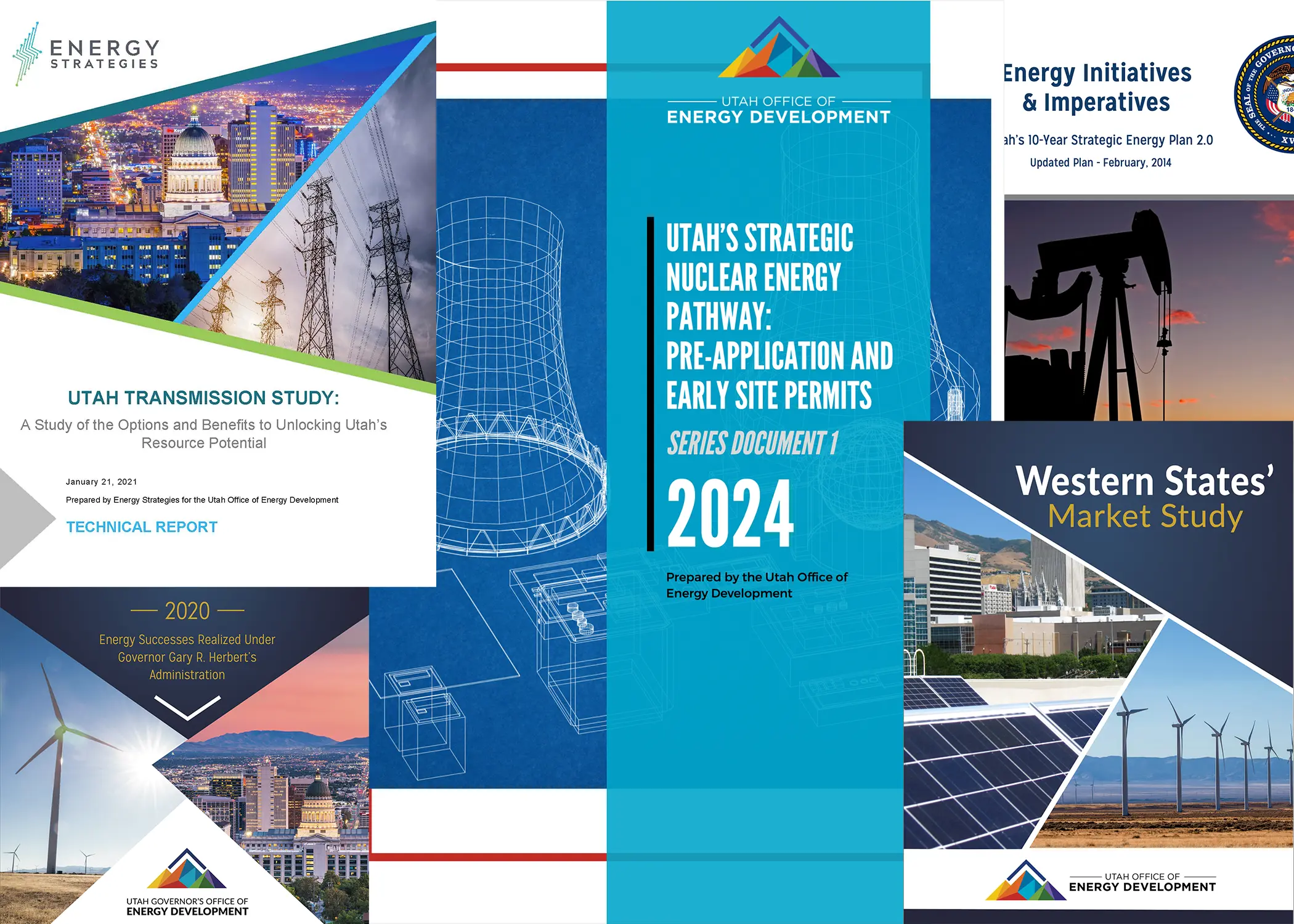
We launched Utah's Strategic Nuclear Energy Pathway series to research certain topics the state will consider when exploring nuclear energy. Nuclear energy projects come with long timelines, so reducing the research process is essential!
Utah San Rafael Energy Lab
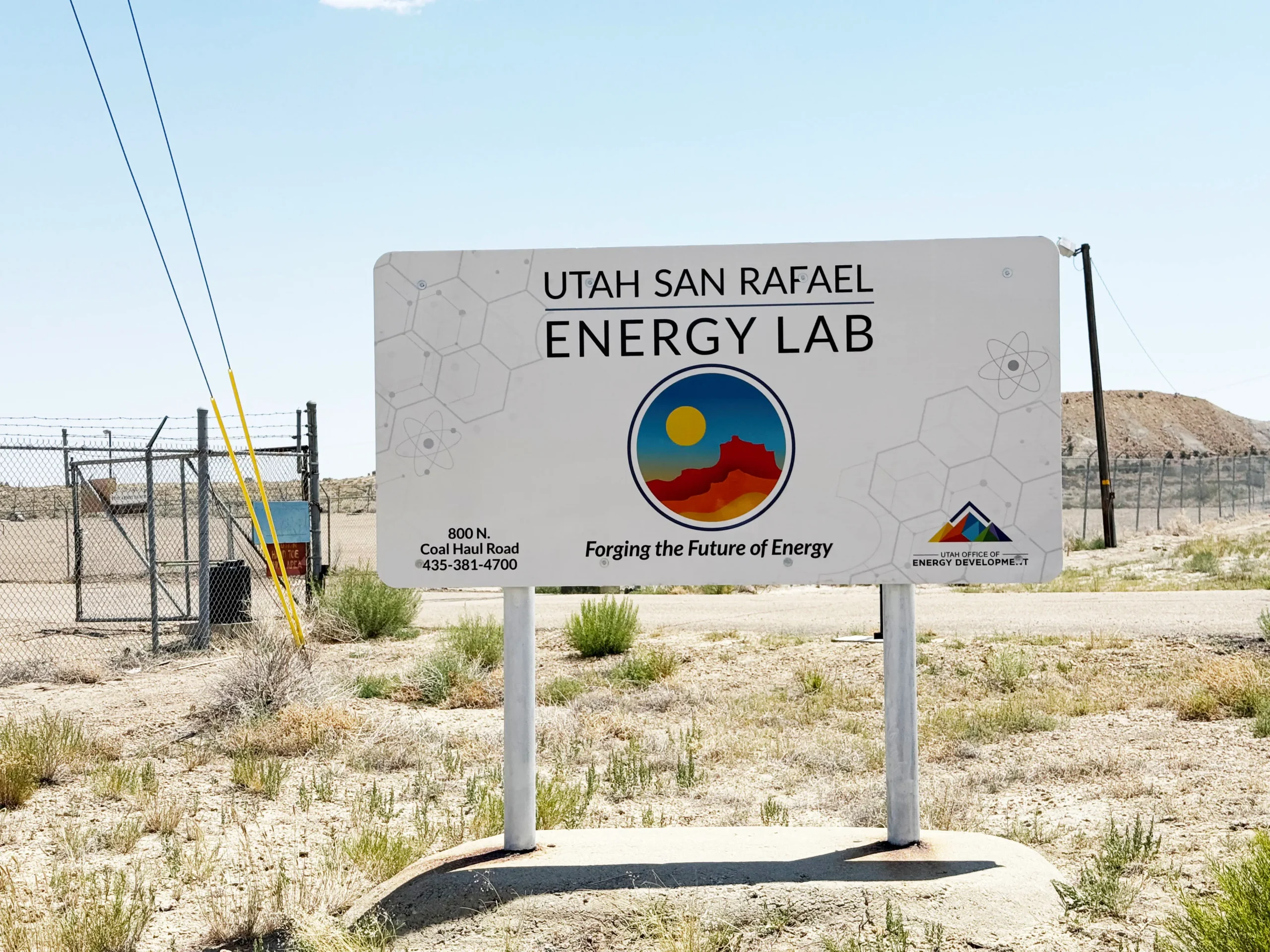
The Utah San Rafael Energy Lab, located in Emery County, Utah, is focused on energy research, including exciting nuclear opportunities such as molten salt technology, medical isotope production and thorium-powered nuclear energy. The lab is also investigating power cycles such as the supercritical CO2 Brayton cycle.
The University of Utah


Nuclear Energy in the U.S.
The United States maintains and operates the largest fleet of nuclear reactors in the world, with 94 reactors at 54 power plants across the country.
states
Currently, there are 28 states that host commercial nuclear power plants.
20% generation
These plants generate roughly 20%of the country’s electricity and nearly half of our clean energy.
years
U.S. nuclear power plants are among the safest and most secure places in the world. They have been quietly powering our nation's grid for over 70 years.
Learn How Nuclear
Energy Works
Nuclear reactors function using fission—splitting uranium atoms to release heat that produces steam for electricity production. Learn more below about the mining and fuel preparation steps, how small modular reactors operate, and how nuclear waste can be safely managed.
Benefits of Nuclear
Energy for Utah
You’d be surprised at the range of benefits nuclear provides—from dependable, 24/7 power and flexible, grid-balancing output to zero-carbon electricity with a compact footprint, stronger energy independence, and well-paid, long-term local jobs. Here are just a few of the many benefits to explore:
Nuclear facilities protect our environment and air quality by generating electricity with ZERO emissions.
Existing nuclear power plants employ between 500 to 800 people directly—in high-paying, long-lasting jobs.
Nuclear facilities protect our environment and air quality by generating electricity with ZERO emissions.
nuclear energy?
As Utah's primary office for energy and mineral development, OED is charged with implementing the Governor's energy vision. The state of Utah has been exploring nuclear energy to determine if it is a fit for Utah. OED’s work includes:
- Implementing Governor Cox’s 10-year energy plan, Operation Gigawatt
- Working with the legislature to develop evidence-based energy policy
- Collaborating with local communities and other stakeholders
Throughout 2026, OED is conducting a statewide nuclear energy education and community outreach initiative, hosting community-engaged events in all 29 Utah counties to provide residents the opportunity to connect with subject matter experts, ask questions and explore nuclear energy topics in greater depth.
Operation Gigawatt is an initiative to double Utah’s power production over the next 10 years by advancing a cohesive any-of-the-above energy strategy that ensures our energy demand never outpaces our energy supply, protects the state’s natural resources and turns today’s energy challenges into long-term opportunities.
We launched Utah's Strategic Nuclear Energy Pathway Series to research certain topics the state will consider when exploring nuclear energy. Nuclear energy projects come with long timelines, so reducing the research process is essential!
Utah San Rafael Energy Lab
The Utah San Rafael Energy Lab, located in Emery County, Utah, is focused on energy research, including nuclear research and development on molten salt technology, medical isotope production and thorium-powered nuclear energy. The lab is also investigating power cycles such as the supercritical CO2 Brayton cycle.
The University of Utah
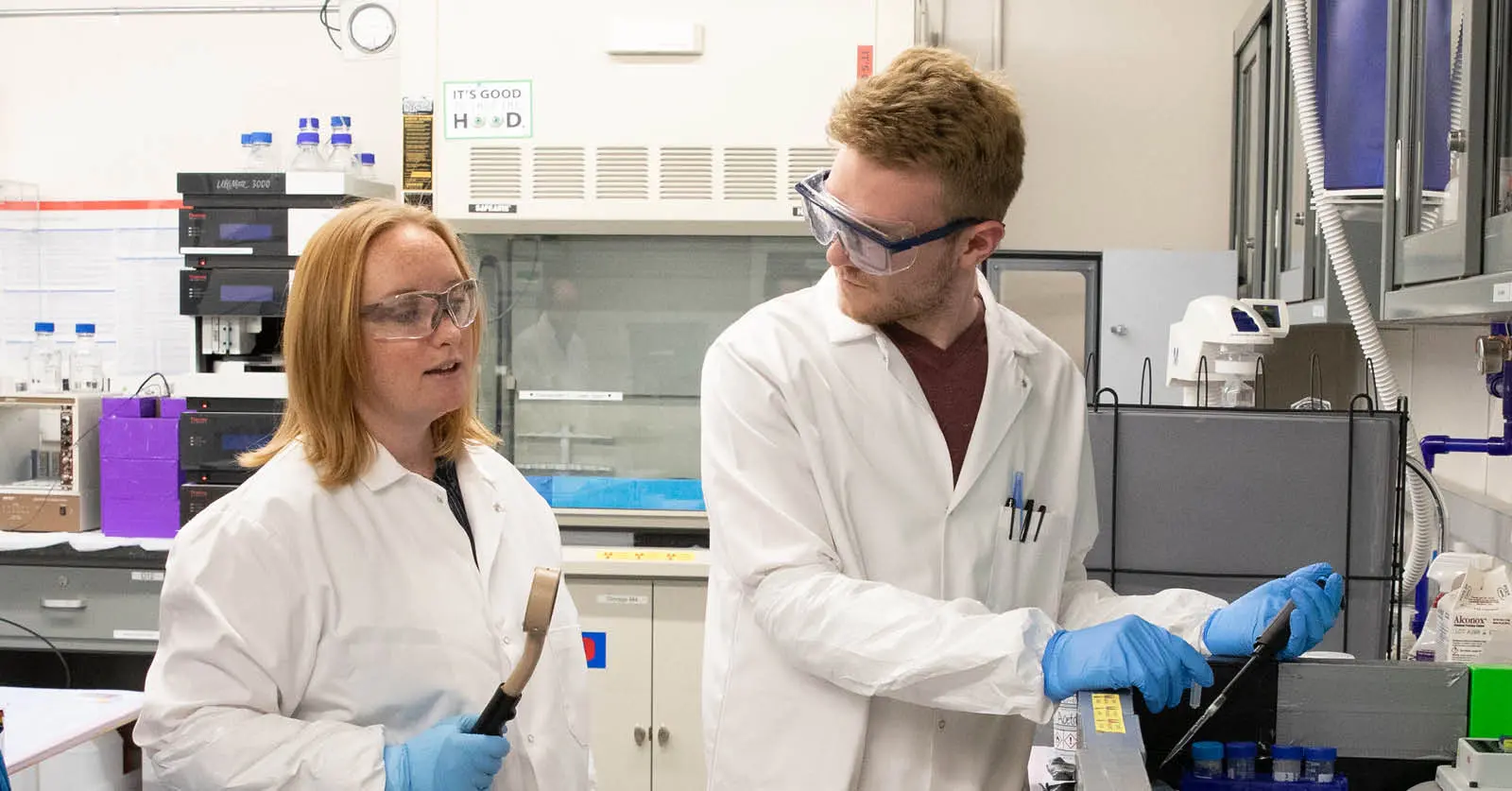
The University of Utah offers an undergraduate nuclear program–one of fewer than 50 nuclear engineering programs nationwide–where students study nuclear principles, neutron-based engineering, radiochemistry and nuclear science. The program helps build a skilled in-state workforce, preparing graduates for high-demand, high-paying careers in energy, national security, research and advanced manufacturing while supporting long-term economic growth.