Why Nuclear
for Utah’s Energy Future



Nuclear Energy Fact Sheets
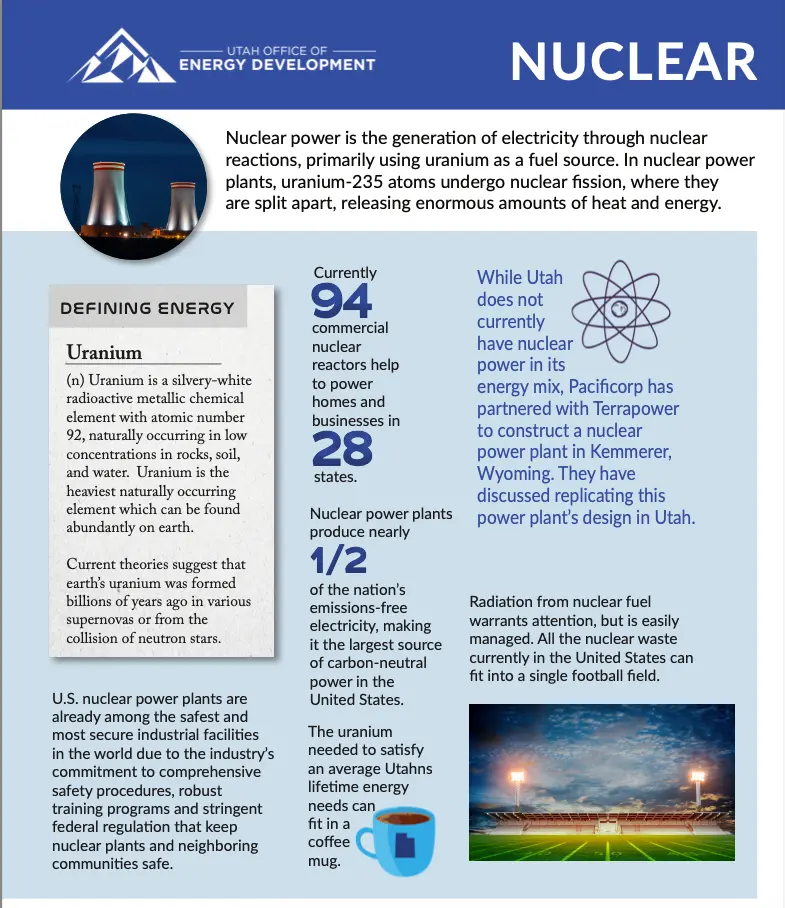
To help Utahns better understand nuclear power and its role in the state's clean energy transition, the Utah Office of Energy Development (OED) has developed downloadable fact sheets (available in English and Spanish) covering key topics:
-
Fundamentals: Overview of nuclear energy, fuel, and reactor operations
-
Safety & Management: Insights on nuclear waste storage and advanced reactor designs
-
Community Focus: Key FAQs addressing concerns and considerations in rural Utah

Utah’s Energy Challenge
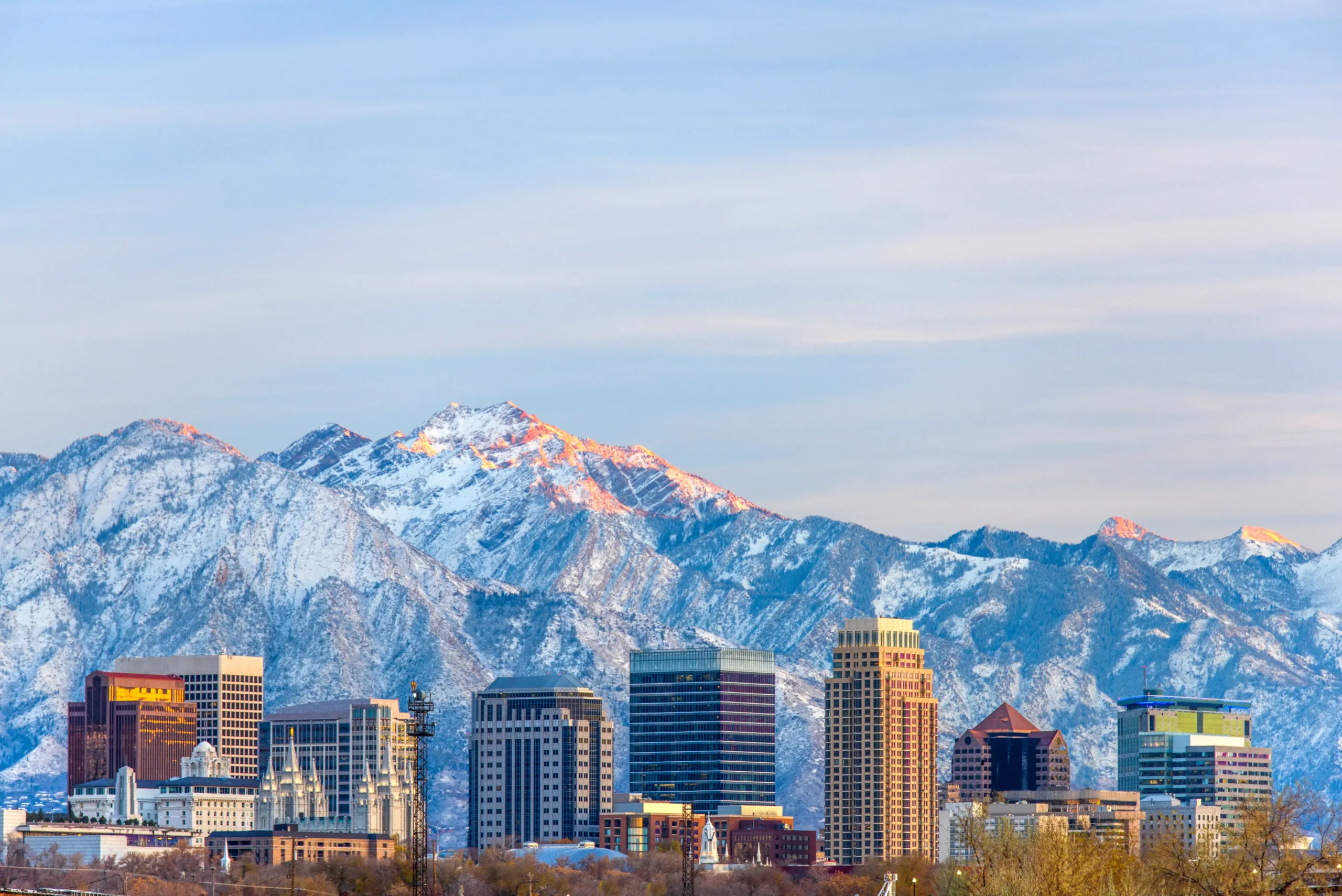
Utah has long enjoyed an abundance of energy. The coming decades will bring new energy challenges for the state, region and country, but Operation Gigawatt is a proactive plan to turn energy challenges into opportunities, securing an abundance of energy for decades to come.
Utah policymakers are working to maintain the state's quality of life, including our healthy and growing economies and natural spaces. With energy demands expected to grow, diversifying our energy mix will bring new and reliable resources online–investments that will benefit us for generations to come.
Why Nuclear
for Utah’s Energy Future
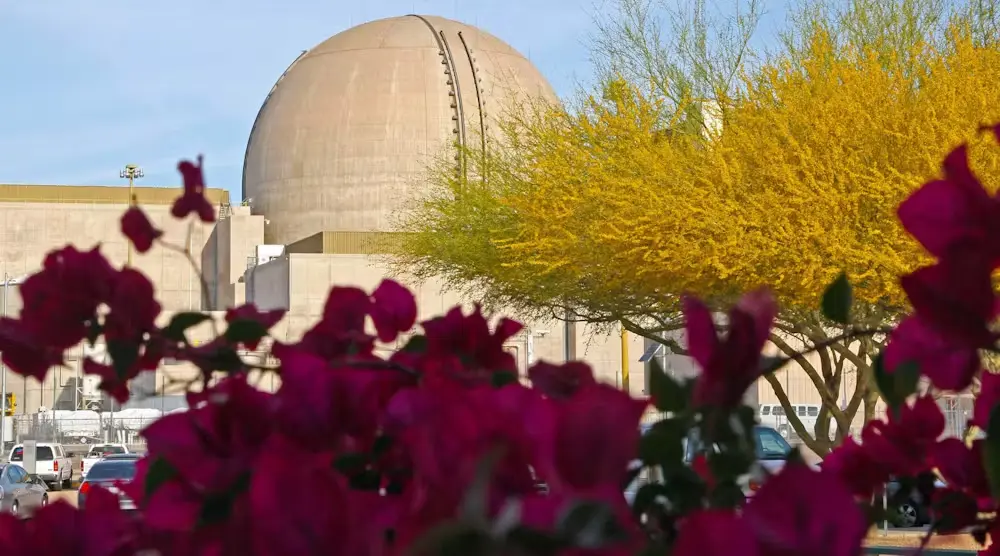
Like today’s nuclear plants, advanced reactors are designed to be safe. Many designs use passive safety features that rely on natural forces like gravity, natural circulation, and convection to shut down in an emergency and remove heat without human intervention. Nuclear energy produces electricity without burning fuel, so reactors do not emit soot, smoke, or air pollutants during operation, generating power while also protecting our air and environment. Many advanced reactors will use coolants like molten salts, liquid metals, or gases like helium to reduce or eliminate the need for cooling water, preserving important water resources.
Jobs in nuclear energy go beyond engineering and science. The nuclear industry relies on welders, electricians, pipefitters, construction workers, reactor operators, technicians, accountants, communicators, lawyers, and more. Jobs in nuclear energy pay on average 50% more than other energy fields. Nuclear power plants can operate for up to 80 years, supporting stable, long-term jobs for generations. There is no single pathway into nuclear. Four-year universities, community colleges, technical schools, apprenticeships, and skilled trades programs all help prepare the future nuclear workforce. Whether you are interested in hands-on skilled trades, advanced technology, business, communications, or public service, there is a place for you in nuclear.
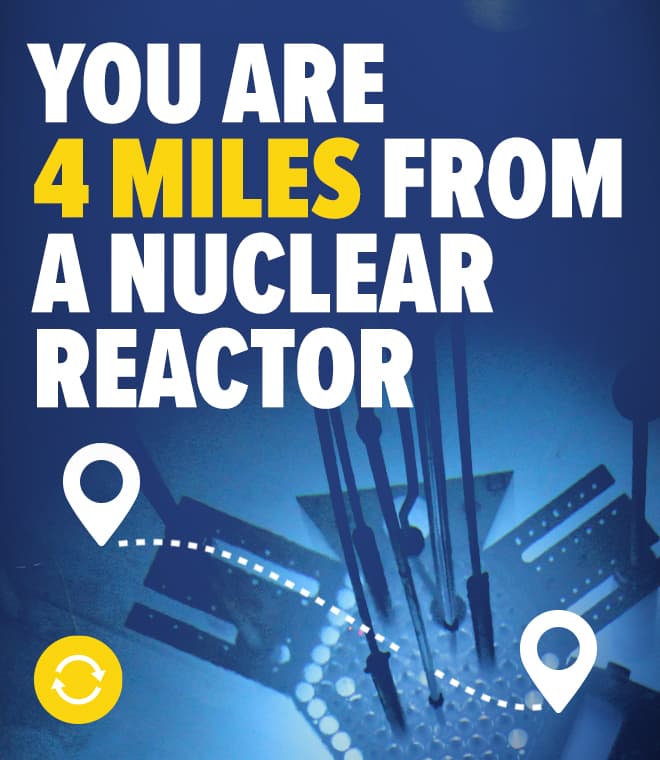
Did you know that Utah already has a nuclear reactor? It’s a research reactor and it plays an important role in training the next generation of nuclear engineers. University of Utah’s Training, Research, Isotopes, General Atomics (TRIGA) Mark I reactor was built over five decades ago and has contributed to innovative science and technology across Utah. Utah’s TRIGA reactor is used for hands-on training, materials research, medical research, and testing of equipment used in space, nuclear, and defense applications. There are about 30 operating research and test reactors in the United States, including the one right here in Utah. The TRIGA reactor operates intermittently, meaning very little used fuel is ever on campus. All nuclear fuel is owned by the U.S. Department of Energy. Learn more about the University of Utah’s Nuclear Engineering Program, including its academic programs and areas of study, here.
The billboard features a hand holding a 3D-printed fuel pellet, but actual nuclear fuel is handled using protective equipment and is subject to strict safety procedures. But as the billboard shows, nuclear fuel is a solid when it goes into a reactor and a solid when it comes out. A single nuclear fuel pellet is incredibly energy-dense, meaning you get a lot of energy from a small amount of material. One fuel pellet about the size of a gummy bear can create as much energy as 17,000 cubic feet of natural gas, 146 gallons of oil, and 1 ton of coal. The fuel pellets are stacked in metal tubes and bundled into assemblies. After use, the fuel is handled remotely to protect workers from any harmful radiation and cools in water-filled pools before moving to steel and concrete casks for secure, long-term storage. Even after fuel is used in a reactor, it still contains more than 90% of its energy potential and could be recycled into fresh fuel for reactors.
Utah’s Energy Challenge
Utah has long enjoyed an abundance of energy. The coming decades will bring new energy challenges for the state, region and country, but Operation Gigawatt is a proactive plan to turn energy challenges into opportunities, securing an abundance of energy for decades to come.
Utah policymakers are working to maintain the state's quality of life, including our healthy and growing economies and natural spaces. With energy demands expected to grow, diversifying our energy mix will bring new and reliable resources online–investments that will benefit us for generations to come.

Nuclear Energy in the U.S.
94
reactors
The United States maintains and operates the largest fleet of nuclear reactors in the world, with 94 commercial reactors at 54 power plants across the country.
28
states
Currently, there are 28 states that host commercial nuclear power plants.
20%
generation
These plants generate roughly 20% of the country’s electricity and nearly half of our clean energy.
70+
years
U.S. nuclear power plants are among the safest and most secure places in the world. They have been quietly powering our nation's grid for over 70 years.
Learn How Nuclear
Energy Works
Nuclear reactors function using fission—splitting uranium atoms to release heat that produces steam for electricity production. Learn more below about the mining and fuel preparation steps, how small modular reactors operate and how nuclear waste can be safely managed.
Benefits of Nuclear
Energy for Utah

You’d be surprised at the range of benefits nuclear provides—from dependable, 24/7 power and flexible, grid-balancing output to zero-carbon electricity with a compact footprint, stronger energy independence and well-paid, long-term local jobs. Here are just a few of the many benefits to explore:



Nuclear facilities protect our environment and air quality by generating electricity with ZERO emissions.
Existing nuclear power plants employ between 500 to 800 people directly—in high-paying, long-lasting jobs.
Uranium is so energy dense that a soda can’s worth of uranium can meet the lifetime energy needs of the average Utahn.
How is Utah supporting
nuclear energy?
As Utah's primary office for energy and mineral development, OED is charged with implementing the Governor's energy vision. The state of Utah has been exploring nuclear energy to determine if it is a fit for Utah. OED’s work includes:
- Implementing Governor Cox’s 10-year energy plan, Operation Gigawatt
- Working with the legislature to develop evidence-based energy policy
- Collaborating with local communities and other stakeholders
Throughout 2026, OED is conducting a statewide nuclear energy education and community outreach initiative, hosting community-engaged events in all 29 Utah counties to provide residents the opportunity to connect with subject matter experts, ask questions and explore nuclear energy topics in greater depth.
Operation Gigawatt is an initiative to double Utah’s power production over the next 10 years by advancing a cohesive any-of-the-above energy strategy that ensures our energy demand never outpaces our energy supply, protects the state’s natural resources and turns today’s energy challenges into long-term opportunities.
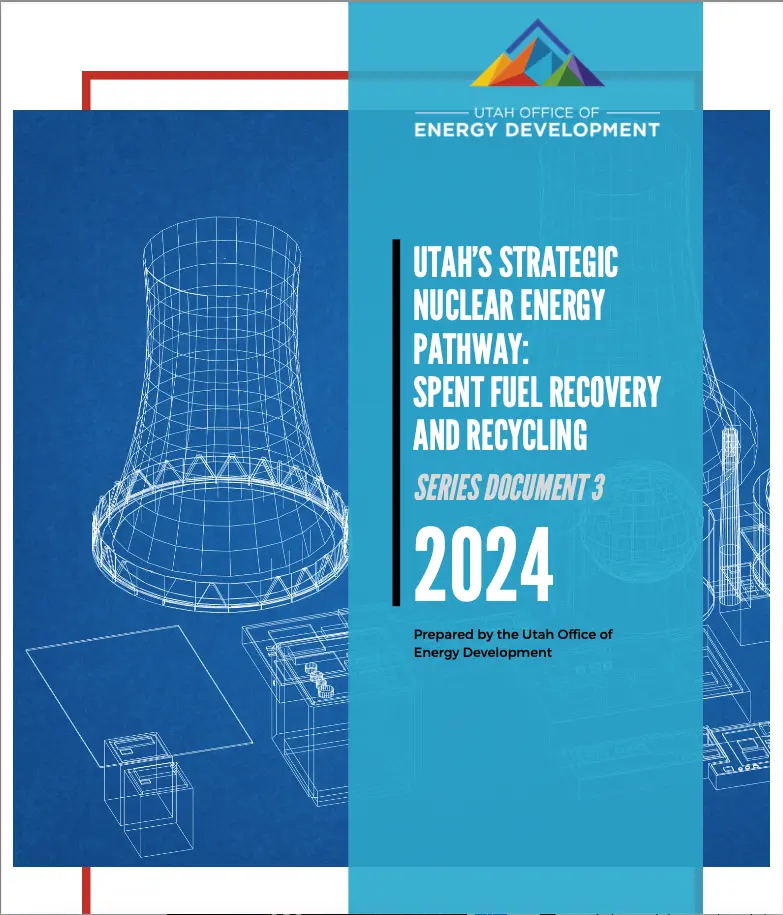
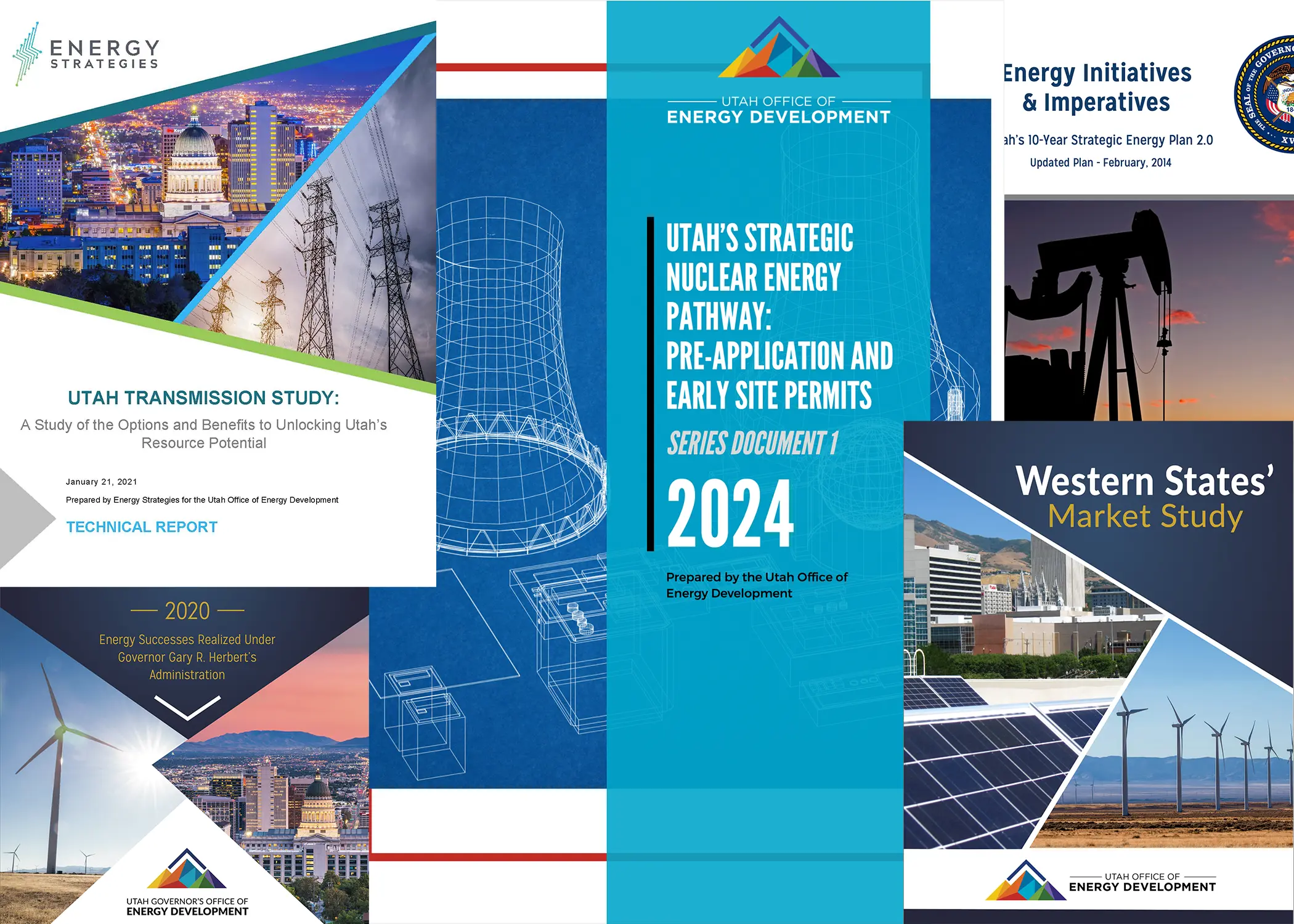
We launched Utah's Strategic Nuclear Energy Pathway series to research certain topics the state will consider when exploring nuclear energy. Nuclear energy projects come with long timelines, so reducing the research process is essential!
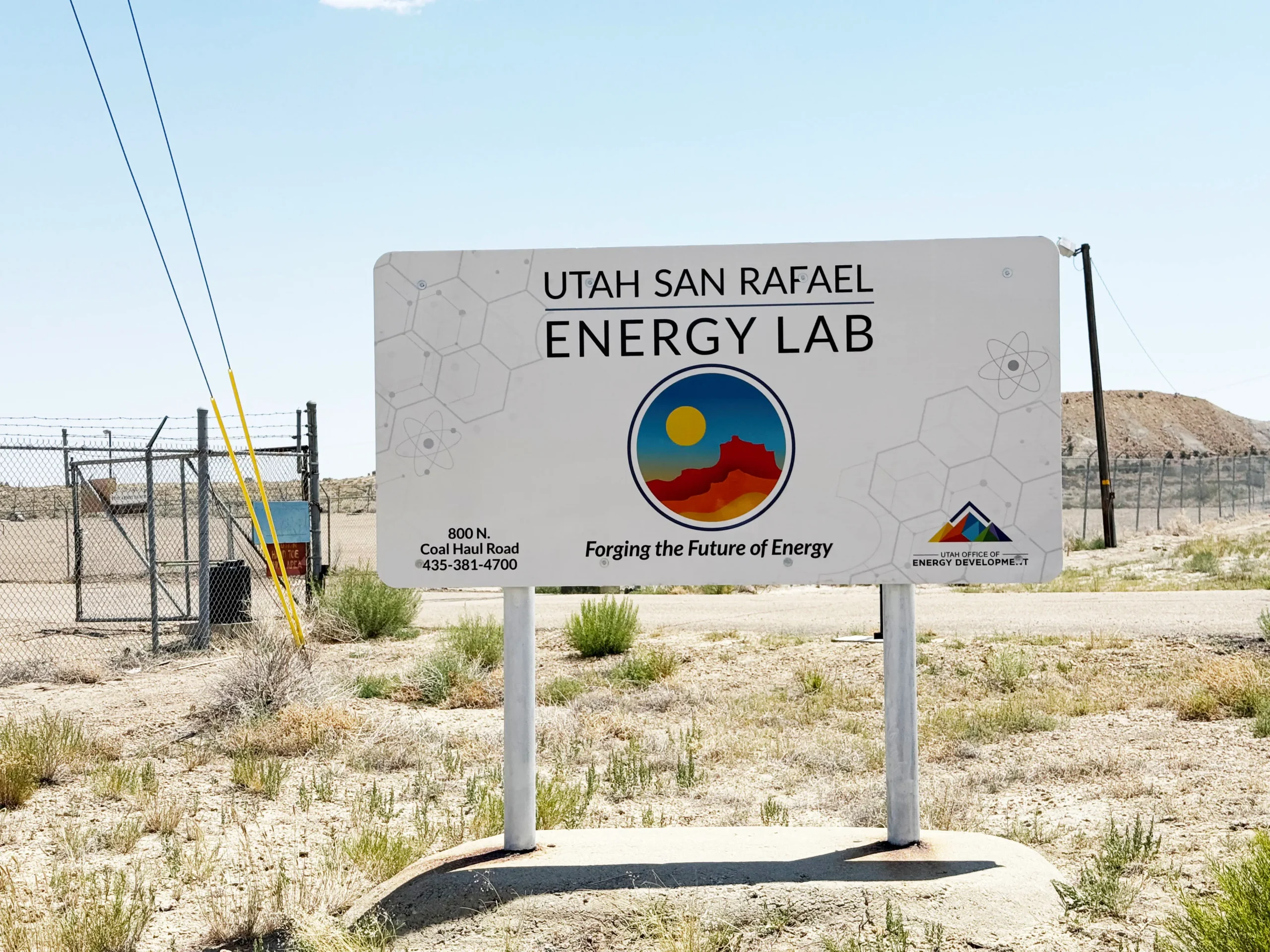
Utah San Rafael Energy Lab
The Utah San Rafael Energy Lab, located in Emery County, Utah, is focused on energy research, including exciting nuclear opportunities such as molten salt technology, medical isotope production and thorium-powered nuclear energy. The lab is also investigating power cycles such as the supercritical CO2 Brayton cycle.
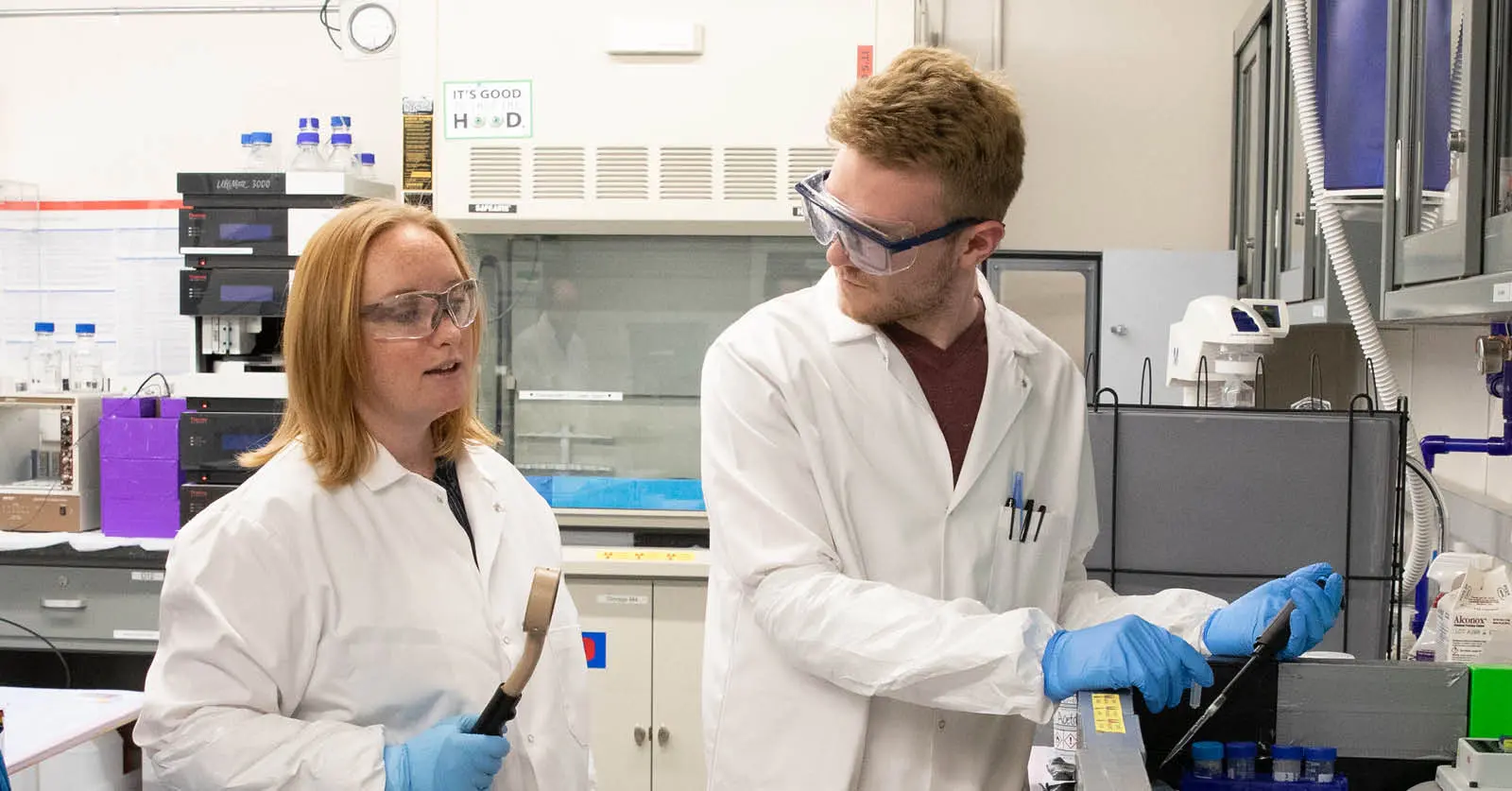
The University of Utah


Nuclear Energy in the U.S.
The United States maintains and operates the largest fleet of nuclear reactors in the world, with 94 reactors at 54 power plants across the country.
states
Currently, there are 28 states that host commercial nuclear power plants.
20% generation
These plants generate roughly 20%of the country’s electricity and nearly half of our clean energy.
years
U.S. nuclear power plants are among the safest and most secure places in the world. They have been quietly powering our nation's grid for over 70 years.
Learn How Nuclear
Energy Works
Nuclear reactors function using fission—splitting uranium atoms to release heat that produces steam for electricity production. Learn more below about the mining and fuel preparation steps, how small modular reactors operate, and how nuclear waste can be safely managed.
Benefits of Nuclear
Energy for Utah
You’d be surprised at the range of benefits nuclear provides—from dependable, 24/7 power and flexible, grid-balancing output to zero-carbon electricity with a compact footprint, stronger energy independence, and well-paid, long-term local jobs. Here are just a few of the many benefits to explore:
Nuclear facilities protect our environment and air quality by generating electricity with ZERO emissions.
Existing nuclear power plants employ between 500 to 800 people directly—in high-paying, long-lasting jobs.
nuclear energy?
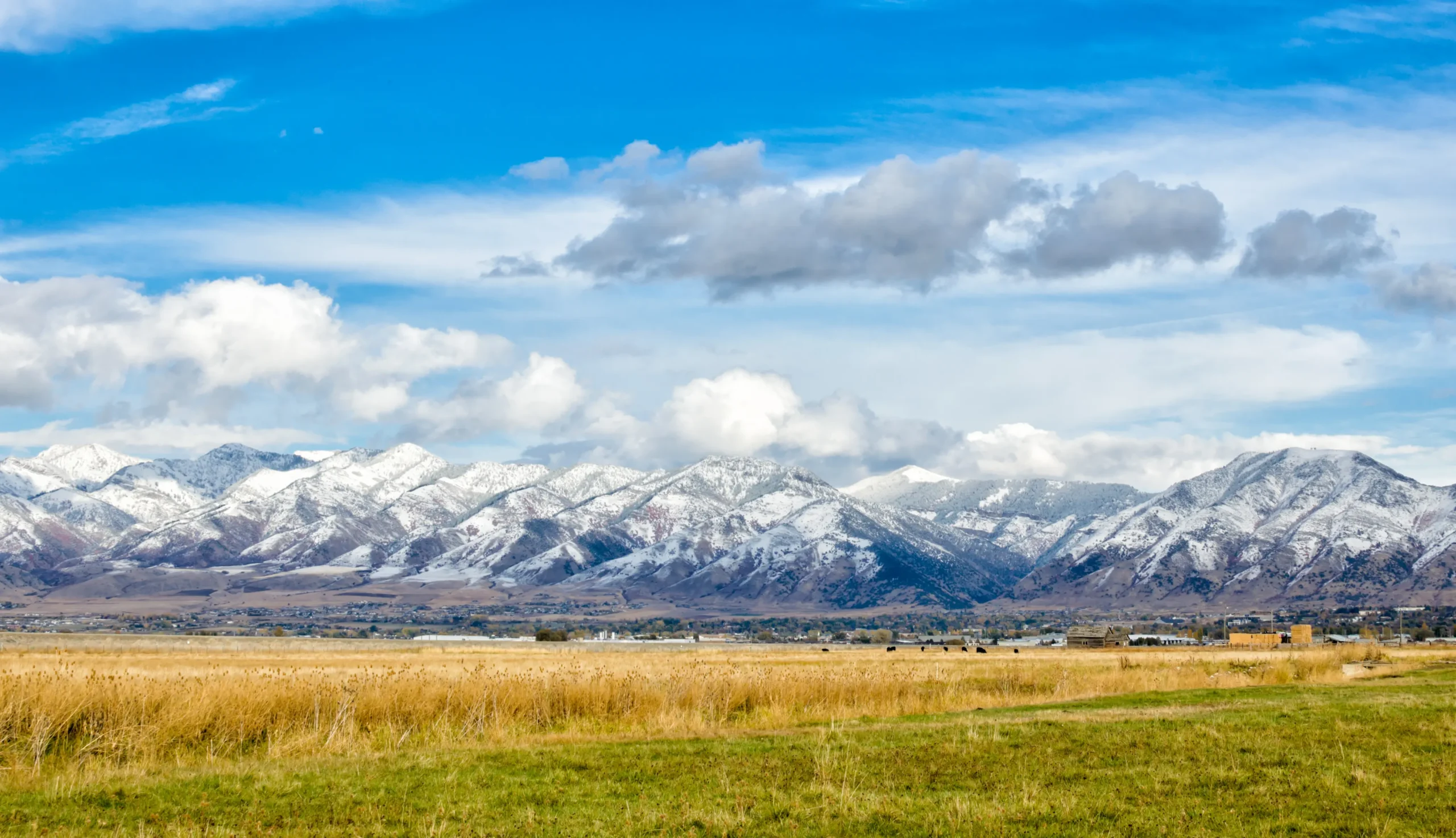
As Utah's primary office for energy and mineral development, OED is charged with implementing the Governor's energy vision. The state of Utah has been exploring nuclear energy to determine if it is a fit for Utah. OED’s work includes:
- Implementing Governor Cox’s 10-year energy plan, Operation Gigawatt
- Working with the legislature to develop evidence-based energy policy
- Collaborating with local communities and other stakeholders
Throughout 2026, OED is conducting a statewide nuclear energy education and community outreach initiative, hosting community-engaged events in all 29 Utah counties to provide residents the opportunity to connect with subject matter experts, ask questions and explore nuclear energy topics in greater depth.
Operation Gigawatt is an initiative to double Utah’s power production over the next 10 years by advancing a cohesive any-of-the-above energy strategy that ensures our energy demand never outpaces our energy supply, protects the state’s natural resources and turns today’s energy challenges into long-term opportunities.
We launched Utah's Strategic Nuclear Energy Pathway Series to research certain topics the state will consider when exploring nuclear energy. Nuclear energy projects come with long timelines, so reducing the research process is essential!
Utah San Rafael Energy Lab
The Utah San Rafael Energy Lab, located in Emery County, Utah, is focused on energy research, including nuclear research and development on molten salt technology, medical isotope production and thorium-powered nuclear energy. The lab is also investigating power cycles such as the supercritical CO2 Brayton cycle.
The University of Utah
The University of Utah offers an undergraduate nuclear program–one of fewer than 50 nuclear engineering programs nationwide–where students study nuclear principles, neutron-based engineering, radiochemistry and nuclear science. The program helps build a skilled in-state workforce, preparing graduates for high-demand, high-paying careers in energy, national security, research and advanced manufacturing while supporting long-term economic growth.