What is Advanced Nuclear Technology?
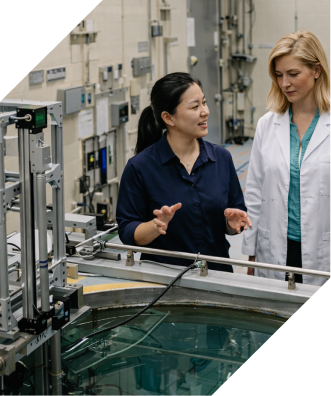
Advanced nuclear refers to new nuclear reactors that come in a range of shapes and sizes. These reactors will be safer and more efficient than today’s technology and are simpler to build and operate. This makes them an important energy option for communities.
From medical isotopes to clean power,
nuclear advances look promising.
What is Advanced Nuclear Technology?
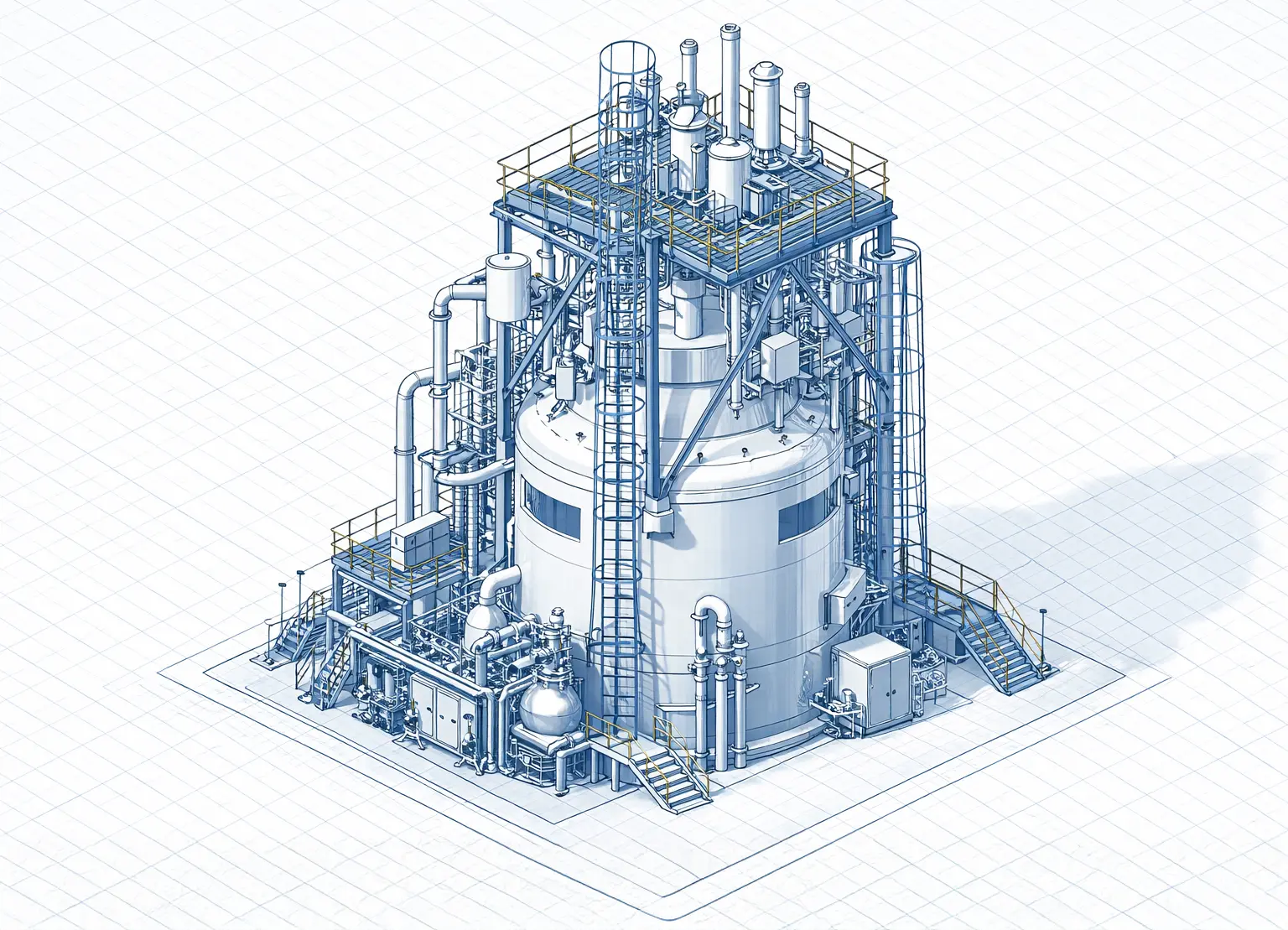
Advanced nuclear refers to new nuclear reactors that come in a range of shapes and sizes. These reactors will be safer and more efficient than today’s technology and are simpler to build and operate. This makes them an important energy option for communities.

What are Advanced Reactors?


Microreactors are small, efficient systems that can generate up to 50 megawatts of electricity. These reactors will be built in a factory and then moved to their final site. Because of their small size, they are easy to transport by truck. This makes them ideal for remote communities, military bases, hospitals and universities.
Small modular reactors, or SMRs, are slightly larger than microreactors. They can generate 50 to 300 megawatts of electricity per module. Modules are like building blocks—they can be added as electricity needs grow or turned off as demand slows. This makes SMRs a great complement to variable energy sources, such as wind and solar.
Large, advanced reactors are closest in size to current reactors. They can generate more than 1,000 megawatts of reliable electricity. However, these reactors use different fuels, materials, coolants and safety features, which expand opportunities to build and operate them.

The United States maintains and operates the largest fleet of nuclear reactors in the world, with 94 reactors at 54 power plants across the country.
Currently, 28 states host nuclear power plants.
These plants generate roughly 20%of the country’s electricity and nearly half of our clean energy.

In addition to reactor size, scientists are working on different types of advanced reactors. While the demonstration and deployment of these advanced reactor types is new, the research and development of these technologies dates back to the 1950s.

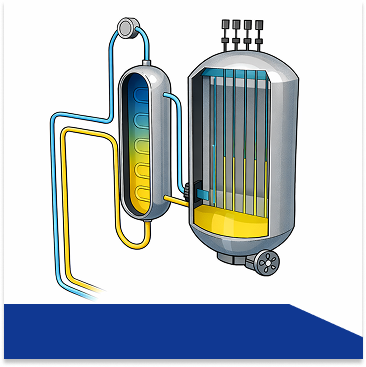
Liquid metal fast reactors
Liquid metal fast reactors use
liquid metals, like sodium or
lead, to carry heat away from
the reactor core to create
electricity. These reactors can
operate at very high
temperatures and much
lower pressures than current
technology. They can also
recycle used nuclear fuel,
which helps reduce waste.
liquid metals, like sodium or
lead, to carry heat away from
the reactor core to create
electricity. These reactors can
operate at very high
temperatures and much
lower pressures than current
technology. They can also
recycle used nuclear fuel,
which helps reduce waste.
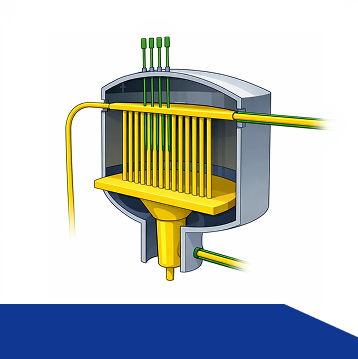
Molten salt reactors
Molten salt reactors use melted
salts to carry heat away from
the reactor core to create
electricity. Some designs use
molten salt both as fuel and
coolant, which can help reduce
long-lived nuclear waste. These
reactors can produce a lot of
heat, which can also be used to
make steel, cement and
chemicals.
salts to carry heat away from
the reactor core to create
electricity. Some designs use
molten salt both as fuel and
coolant, which can help reduce
long-lived nuclear waste. These
reactors can produce a lot of
heat, which can also be used to
make steel, cement and
chemicals.
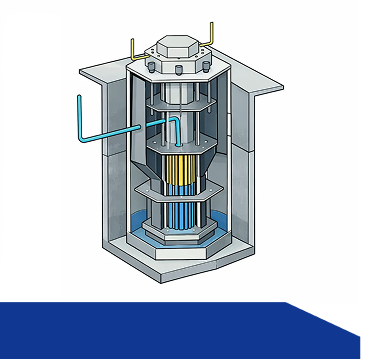
Graphics adapted from the Department of Energy
In addition to reactor size, scientists are working on different types of advanced reactors. While the demonstration and deployment of these advanced reactor types is new, the research and development of these technologies dates back to the 1950s.
Liquid metal fast reactors
Liquid metal fast reactors use
liquid metals, like sodium or
lead, to carry heat away from
the reactor core to create
electricity. These reactors can
operate at very high
temperatures and much
lower pressures than current
technology. They can also
recycle used nuclear fuel,
which helps reduce waste.
liquid metals, like sodium or
lead, to carry heat away from
the reactor core to create
electricity. These reactors can
operate at very high
temperatures and much
lower pressures than current
technology. They can also
recycle used nuclear fuel,
which helps reduce waste.
Molten salt reactors
Molten salt reactors use melted
salts to carry heat away from
the reactor core to create
electricity. Some designs use
molten salt both as fuel and
coolant, which can help reduce
long-lived nuclear waste. These
reactors can produce a lot of
heat, which can also be used to
make steel, cement and
chemicals.
salts to carry heat away from
the reactor core to create
electricity. Some designs use
molten salt both as fuel and
coolant, which can help reduce
long-lived nuclear waste. These
reactors can produce a lot of
heat, which can also be used to
make steel, cement and
chemicals.
Benefits of Advanced Nuclear Technology

Advanced reactors use passive safety features that allow reactors to shut down and remove excess heat without the need for human intervention.
Advanced reactors can be built below ground to provide added physical protection against extreme weather events or other threats.
Advanced reactors use new innovative fuels that are more resistant to the extreme conditions inside the reactor.
These fuels can slow down heat buildup in the unlikely event of an accident, which gives reactor operators more time to restore cooling systems.

Advanced reactor fuels use uranium more efficiently and extend the time between refueling, which helps reduce nuclear waste.
Some designs can also run on used nuclear fuel, helping decrease the total amount of nuclear waste.

Advanced reactors will use less water than today’s reactors.
Many advanced reactor designs will use other coolants than water, such as molten salts, liquid metals or gases like helium.
These alternative coolants help significantly reduce or eliminate water use for cooling.
There are still some water-cooled advanced reactors, but companies are looking at dry cooling options that use ambient air.

Advanced reactors require fewer components and are faster to build. This is because reactor components can be built in a factory and delivered onsite, which reduces construction costs.
Companies developing advanced reactors are also using innovative construction methods to simplify builds and reduce costs.

Advanced reactors can adjust their electricity output rapidly. This allows them to operate more flexibly and support variable renewable resources when the sun isn’t shining or the wind isn’t blowing.
Advanced reactors will be a fraction of the size of current reactors. This means they can be built in locations that larger reactors typically can’t.
Advanced reactors use passive safety features that allow reactors to shut down and remove excess heat without the need for human intervention.
Advanced reactors can be built below ground to provide added physical protection against extreme weather events or other threats.
Advanced reactors use new innovative fuels that are more resistant to the extreme conditions inside the reactor.
These fuels can slow down heat buildup in the unlikely event of an accident, which gives reactor operators more time to restore cooling systems.
Advanced reactor fuels use uranium more efficiently and extend the time between refueling, which helps reduce nuclear waste.
Some designs can also run on used nuclear fuel, helping decrease the total amount of nuclear waste.
Advanced reactors will use less water than today’s reactors.
Many advanced reactor designs will use other coolants than water, such as molten salts, liquid metals or gases like helium.
These alternative coolants help significantly reduce or eliminate water use for cooling.
There are still some water-cooled advanced reactors, but companies are looking at dry cooling options that use ambient air.
Advanced reactors require fewer components and are faster to build. This is because reactor components can be built in a factory and delivered onsite, which reduces construction costs.
Companies developing advanced reactors are also using innovative construction methods to simplify builds and reduce costs.
Advanced reactors can adjust their electricity output rapidly. This allows them to operate more flexibly and support variable renewable resources when the sun isn’t shining or the wind isn’t blowing.
Advanced reactors will be a fraction of the size of current reactors. This means they can be built in locations that larger reactors typically can’t.