
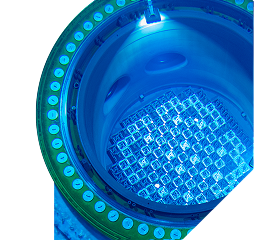

How does a reactor work?


Nuclear fuel spends on average five years in a nuclear reactor before it is removed and replaced with new fuel.
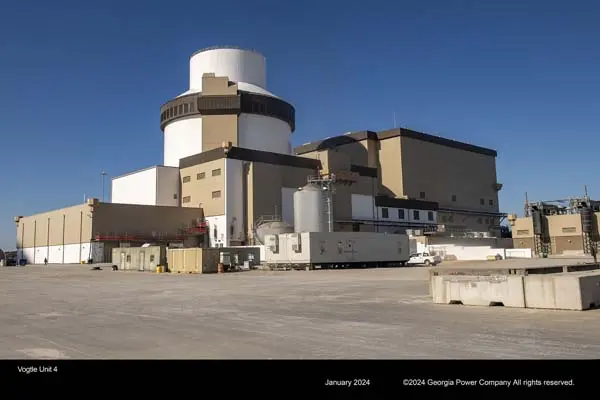
The nuclear fuel cycle involves preparing uranium for use in civil nuclear reactors and responsibly disposing of fuel once it has been used or ‘spent.’
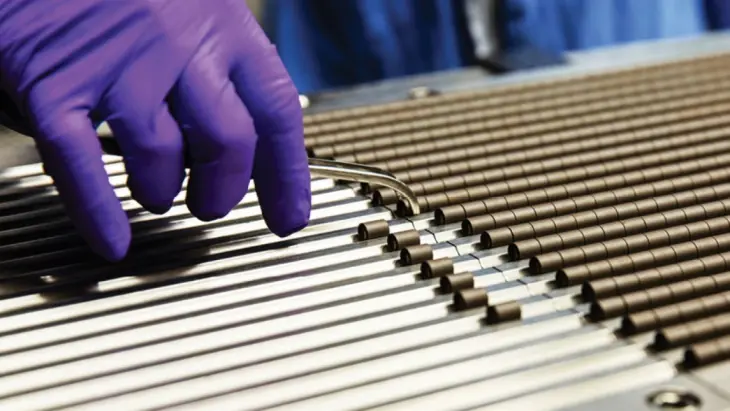
Nuclear fuel is a solid when it goes into a reactor and a solid when it comes out of a reactor.
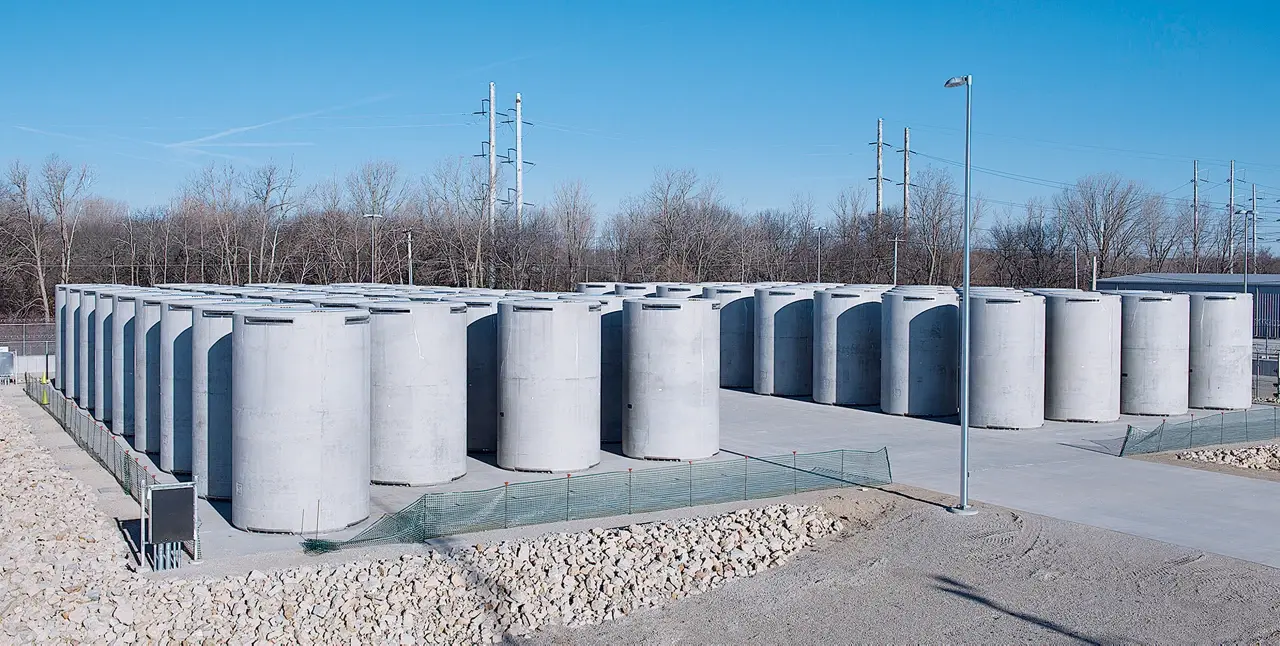
Used nuclear fuel is safely and securely stored at more than 70 reactor sites across the country. While Utah does not store used nuclear fuel, it does store low-level radioactive waste, like gloves, safety glasses and other items used at nuclear facilities, in Clive, Utah.
Nuclear Waste
Nuclear fuel is extremely energy dense, which means you get a lot of energy from a small amount of material.

How does a reactor work?
Nuclear Fuel Cycle
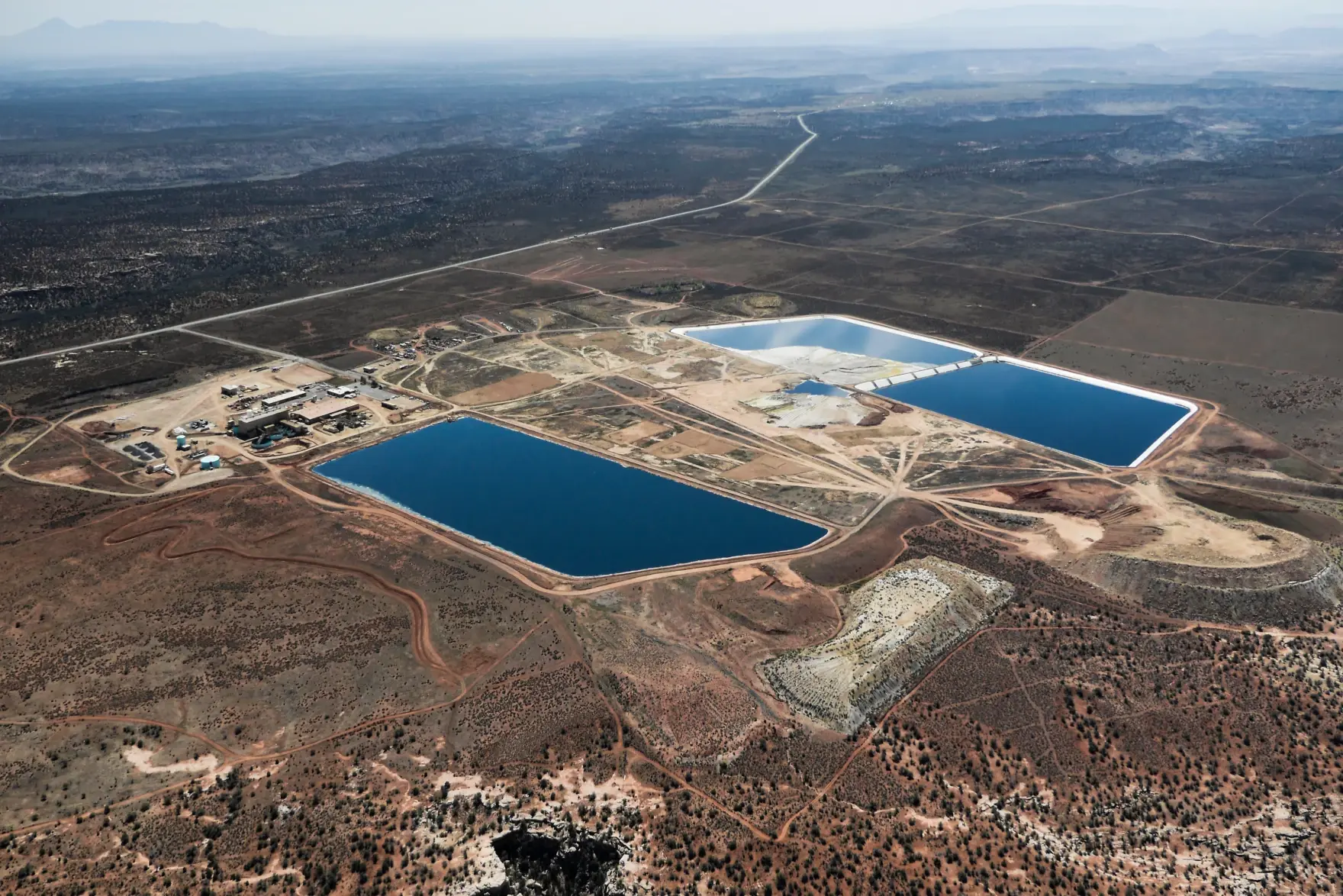
Before uranium can be used in a reactor, it must undergo four steps: mining and milling, conversion, enrichment and fuel fabrication. (Dom Smith/EcoFlight)
Nuclear fuel spends on average five years in a nuclear reactor before it is removed and replaced with new fuel.
The nuclear fuel cycle involves preparing uranium for use in civil nuclear reactors and responsibly disposing of fuel once it has been used or ‘spent.’
Nuclear fuel is a solid when it goes into a reactor and a solid when it comes out of a reactor.
Used nuclear fuel is safely and securely stored at more than 70 reactor sites across the country. While Utah does not store used nuclear fuel, it does store low-level radioactive waste, like gloves, safety glasses and other items used at nuclear facilities, in Clive, Utah.
Used nuclear fuel
Nuclear fuel is extremely energy dense, which means you get a lot of energy from a small amount of material.
Some developers are designing advanced reactors that can run on used nuclear fuel.
Recycling used nuclear fuel into fresh fuel for nuclear reactors would unlock the remaining energy potential and significantly reduce nuclear waste.
In fact, uranium is so energy dense that a soda can’s worth of uranium can meet the lifetime energy needs of the average Utahn.
More than 90% of the energy potential remains in used nuclear fuel after five years of use in a nuclear reactor.
Used nuclear fuel could be reprocessed to create fresh fuel for reactors, and provide critical medical isotopes.